Success Stories
From pineapple leaves to baby care.The environmental burden of disposable nappies extends beyond their use, with a child estimated to go through between 4,000 and 6,000 before potty training, according to the World Economic Forum.

Founders Collective
A founder-first community for KCIC alumni and climate entrepreneurs across the ecosystem: relationships, capability, markets, capital, and peer support as your enterprise grows.
The climate challenge
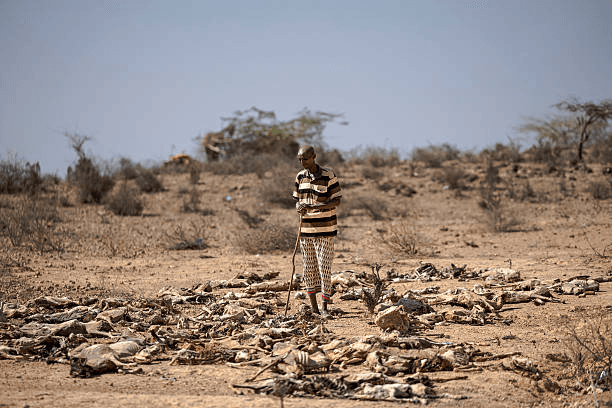
Climate change puts communities, livelihoods, and climate-sensitive sectors under growing pressure. KCIC supports entrepreneurs developing practical solutions that strengthen resilience and create sustainable economic opportunities.
Our impact
Since 2012, KCIC has supported climate enterprises with business and technical expertise, access to finance, facilities, market intelligence, and partnerships. Its next strategy expands that work from individual ventures to stronger climate entrepreneurship ecosystems across Africa.
Business and technical expertise · Access to finance · Facilities · Market intelligence · Partnerships
Explore our impact
Awards & recognition
KCIC's work with climate enterprises has been acknowledged by partners and industry bodies for strengthening SMEs, circular finance, and green economy leadership.

KEPSA
SME Enabler of the Year 2024/2025
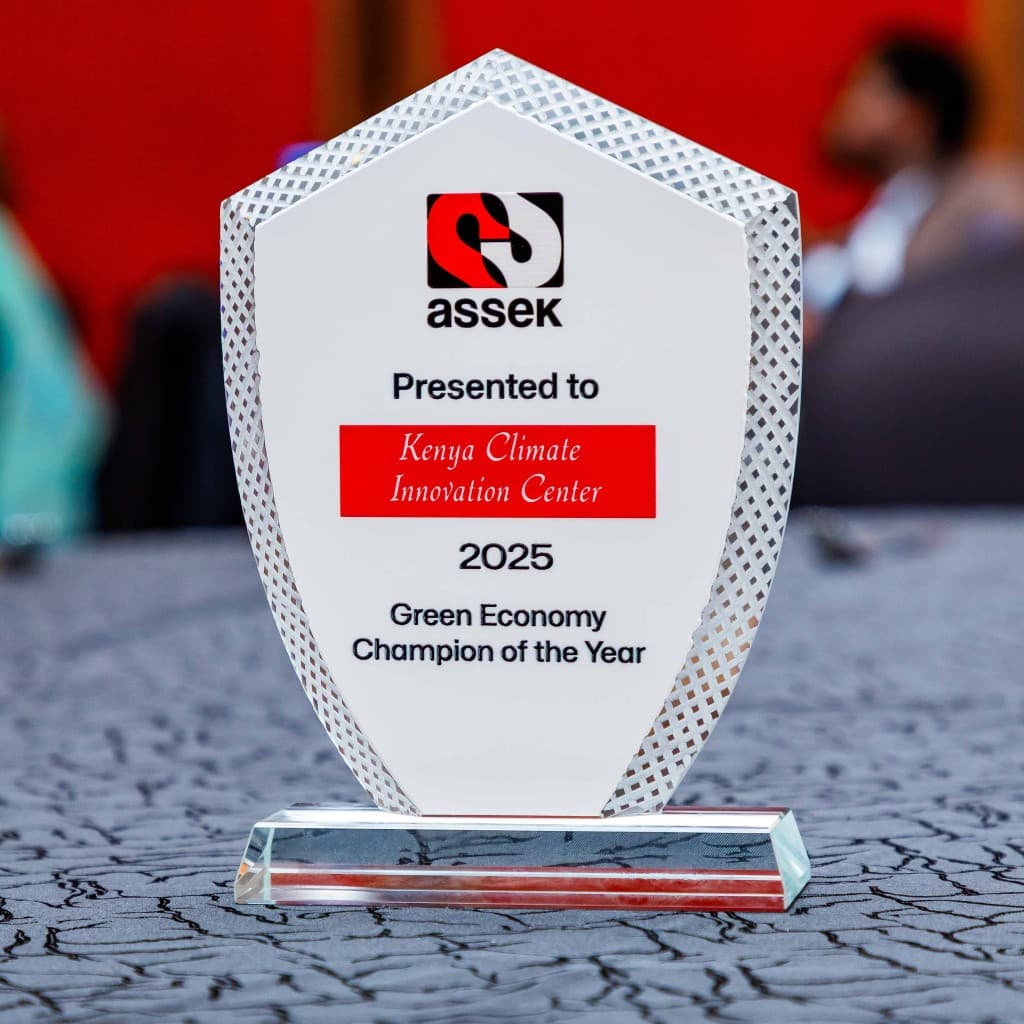
ASSEK
Green Economy Champion of the Year 2025

CE Conference
Circular Economy Financier of the Year
Latest episode of Sustainably Speaking Africa, with more conversations and newsroom stories alongside it.
Latest podcast
Sustainably Speaking Africa
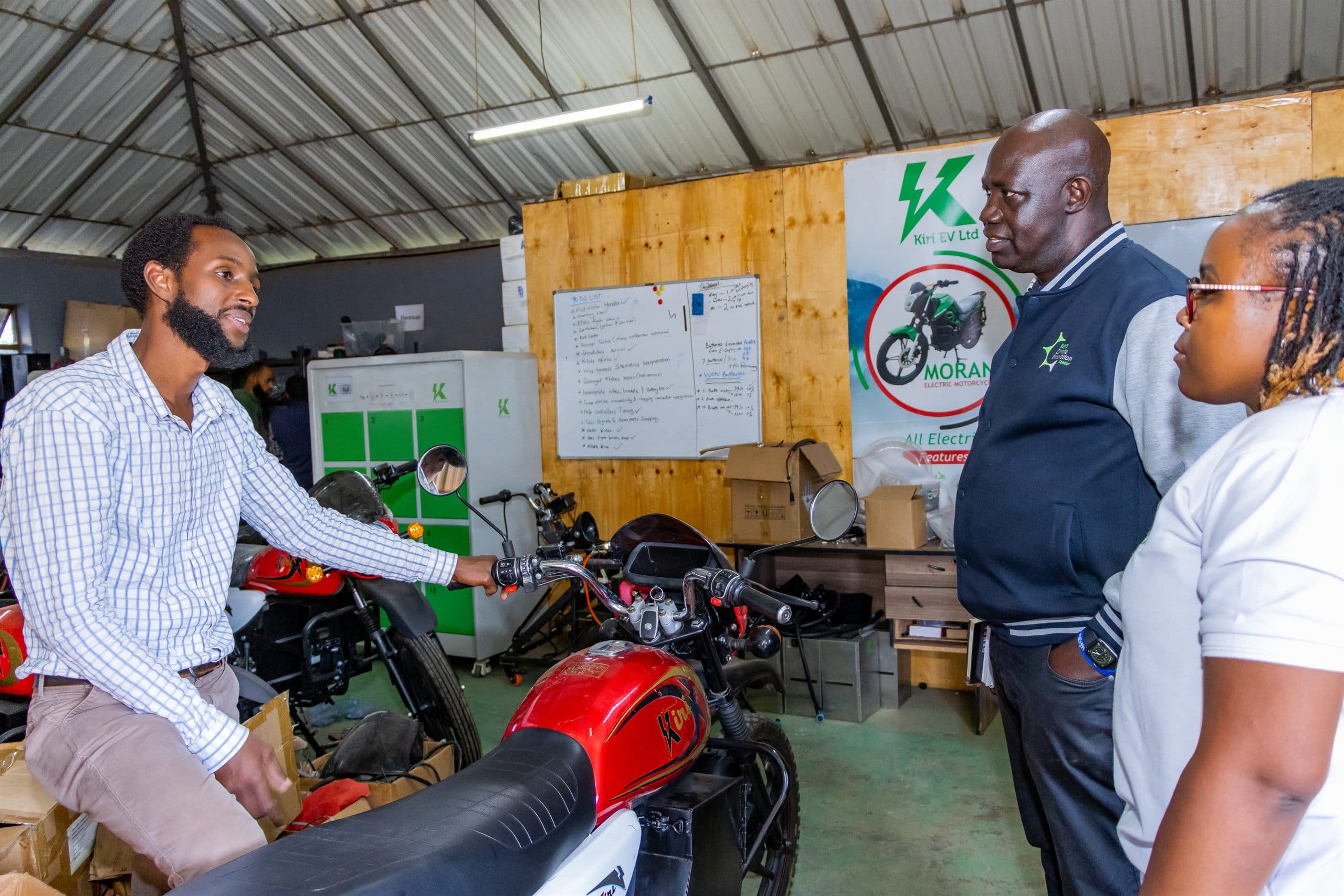
 Latest episodeBrewed from an African Pot : Building Kenya's Electric Mobility | Francis Romano
More episodes
Latest stories
Success Stories
From pineapple leaves to baby care.The environmental burden of disposable nappies extends beyond their use, with a child estimated to go through between 4,000 and 6,000 before potty training, according to the World Economic Forum.
Updates
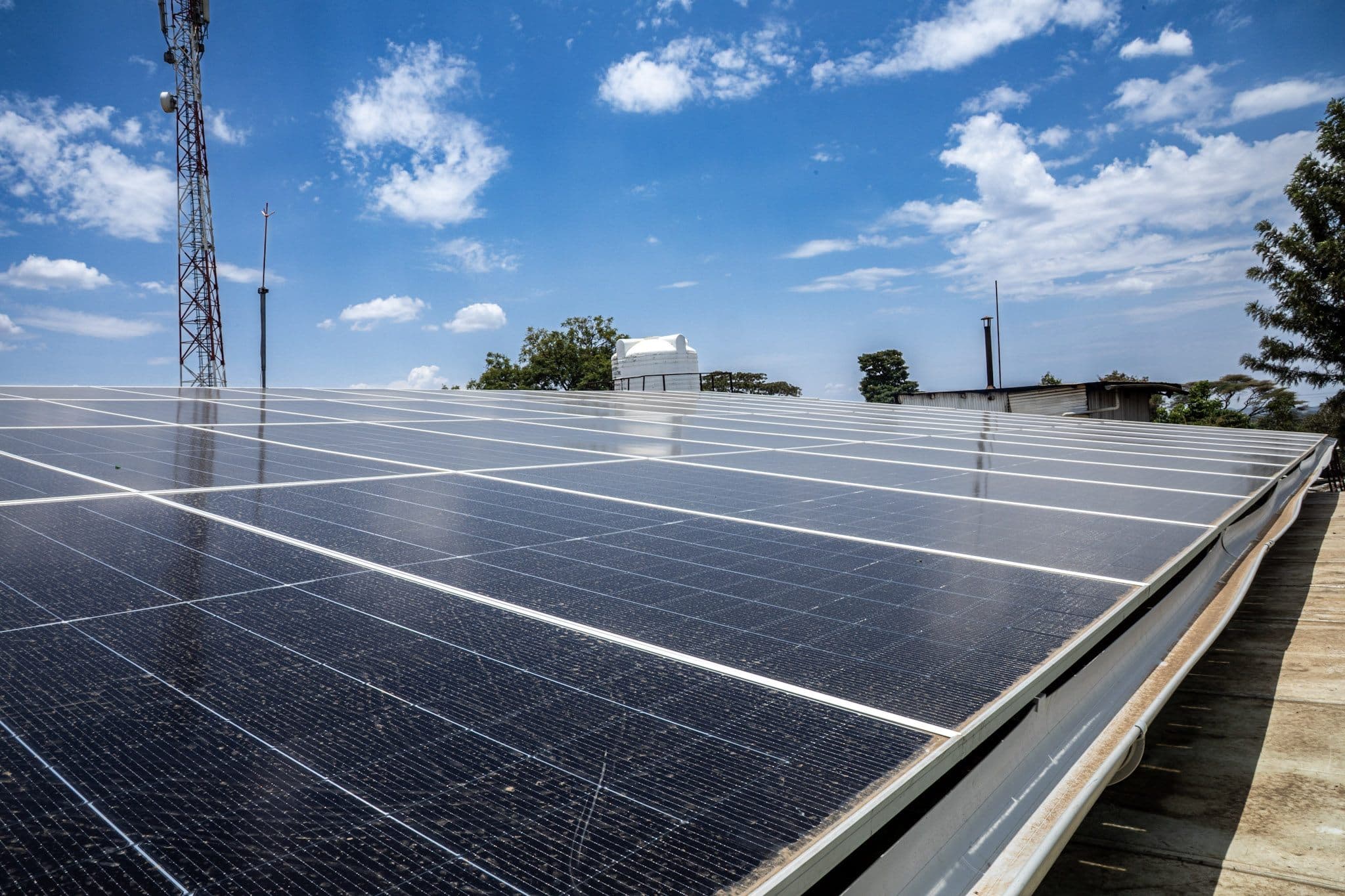
Beyond Solar Installation: Building Climate-Resilient Agricultural Value Chains in East AfricaA farmer’s ability to feed a community and support their livelihood depends on more than what the land can produce. Access to reliable energy is also essential for irrigating crops, cooling milk, processing produce and preserving food before it reaches the market. Across East Africa, where climate shocks are increasingly disrupting agricultural systems, the challenge is how to build value chains that can withstand climate uncertainty, improve productivity and sustain livelihoods.
Success Stories
How Green at Mind Is Turning Metal Waste into Clean Cooking in TurkanaEvery stove Green at Mind makes starts as five kilograms of metal waste. Families use it with briquettes the team makes from farm waste, and together they cut fuel use by 40% compared with ordinary cooking methods.
Organizations that collaborate with KCIC to grow climate enterprise across Africa.